
How to move from bottles, tubs, and trays to pouches and rollstock—without surprises.
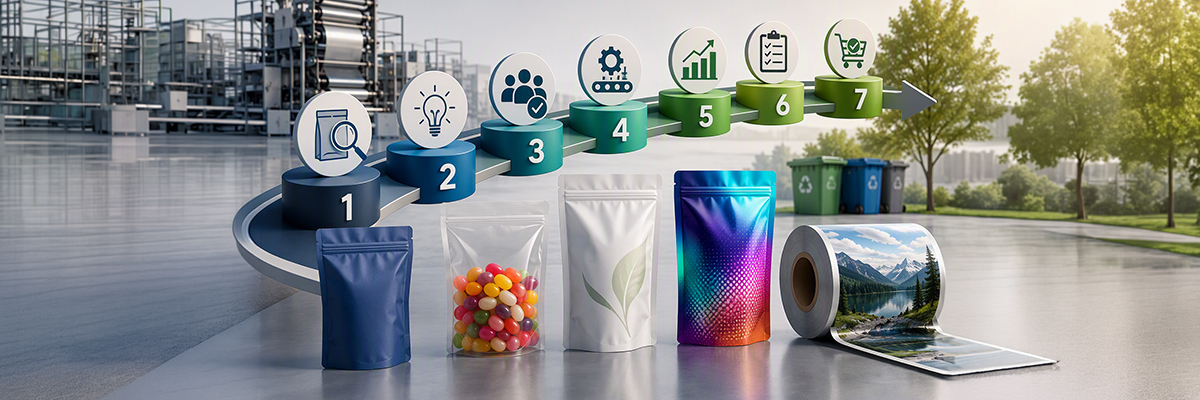
Rigid packaging has defined the look and feel of countless CPG products for decades. But today’s market is shifting fast. Brand owners are increasingly migrating from rigid formats like bottles, tubs, and trays to flexible options such as pouches and rollstock. And while “rigid to flexible” migration is a proven path to cutting freight costs, lowering material use, and unlocking fresh design possibilities, it isn’t as simple as swapping one package for another.
Successful migration is both strategic and technical. It requires validation, cross‑functional planning, and a clear understanding of how flexible packaging will behave from filling line to retail planogram. This playbook outlines the key steps, pitfalls to avoid, and how to de‑risk the transition so your brand moves confidently into flexible packaging, without surprises.
Why Consider Migrating?
Flexible packaging isn’t just a trend; it’s a competitive advantage. Here’s why brand owners are making the move.
1. Weight & Logistics Optimization
Rigid containers add unnecessary mass and volume. Flexible packaging drastically reduces material use and secondary packaging, helping brands:
- Cut freight costs
- Improve pallet density
- Reduce warehouse footprint
- Lower emissions across distribution, all while maintaining (or improving) product integrity.
2. Enhanced Consumer Usability
Modern consumers want packaging that fits their lifestyle: easy to open, store, and dispose of. Flexible packaging delivers:
- Resealable features
- Ergonomic grip and pour control
- Better portability
- Minimal storage bulk after opening
3. A Bigger, Better Design Canvas
The printable surface of pouches and rollstock offers more creative flexibility than curved or rigid forms. Brands benefit from:
- High‑impact shelf presence
- Full‑panel graphics
- Transparency windows
- Matte, gloss, or tactile finishes
Moving to flexible doesn’t mean compromising aesthetics; it means upgrading them.
Critical Validation Steps that De‑risk Change
Migrating packaging structures requires a systematic approach. These validation steps ensure performance, shelf life, and consumer experience remain uncompromised.
1. Product–Package Compatibility Tests
Your product’s moisture, oxygen sensitivity, oils, particulates, and pH all interact with flexible films differently than with rigid containers. Key tests include:
- Oxygen Transmission Rate (OTR)
- Moisture Vapour Transmission Rate (MVTR)
- Seal integrity and creep testing
- Chemical compatibility
2. Shelf-Life Mapping
Shelf life often behaves differently in flexible formats. Validate by:
- Running accelerated shelf‑life studies
- Measuring colour, flavour, and texture shifts
- Monitoring barrier performance over time
- Comparing real‑world storage scenarios
This step ensures “new pack = same or better shelf life,” a must for retailers and category managers.
3. Machinability & Line Trials
Your existing equipment may not run flexible materials the same way it handles rigid packaging. Conduct:
- Film tension calibration
- Web tracking tests
- Seal jaw temperature and dwell optimization
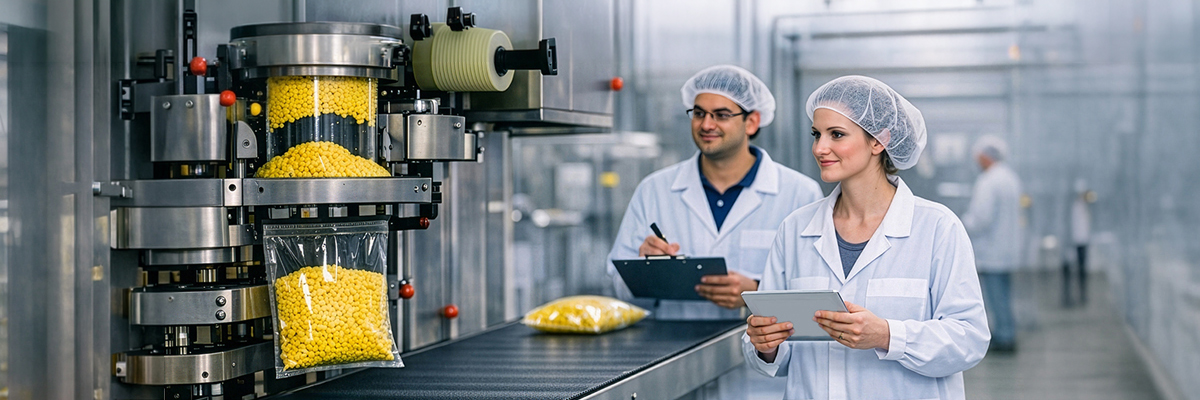
- Form‑fill‑seal (FFS) speed and material performance audits
Full‑scale trials prevent headaches during ramp‑up.
4. Distribution Simulation
Flexible packaging behaves differently under compression, vibration, and drop conditions. Use:
- ISTA testing
- Pallet compression analysis
- E‑commerce simulation
These tests help predict and prevent transit failures before they happen in the real world.
5. Retail Planogram Validation
One overlooked area: How does the new pouch sit, hang, or stand on the shelf? Test:
- Shelf stability and stand‑up strength
- Hook or hang hole performance
- Facing width relative to category competitors
- Compatibility with automated shelf systems
Retailers care deeply about planogram integrity; your flexible pack must fit flawlessly.
Common Pitfalls (and How to Avoid Them)
1. Underestimating Film Structure Needs
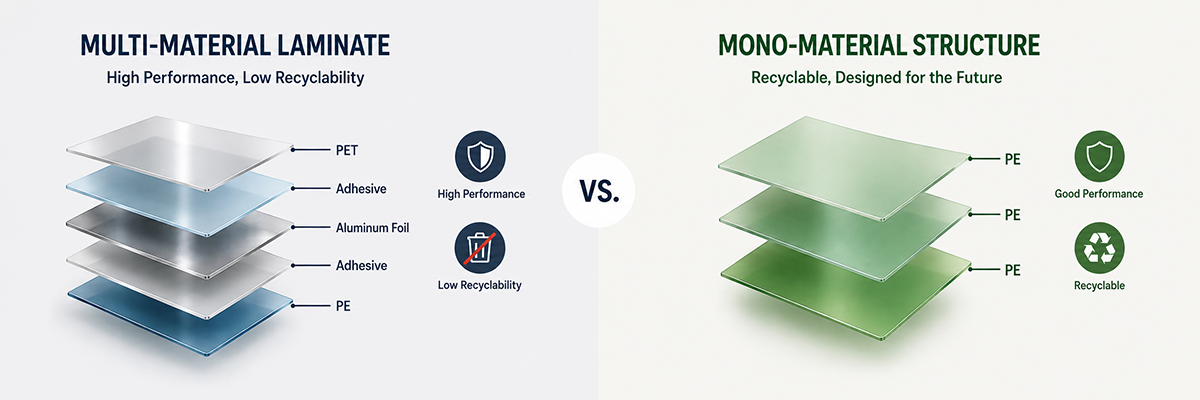
Choosing films purely on cost can lead to seal failures, punctures, or reduced shelf life. Barrier and mechanical properties must align with product needs.
2. Assuming Equipment Will “Just Work.”
Rigid‑line equipment cannot always run flexible packaging without modifications. Skipping machinability audits is one of the costliest mistakes.
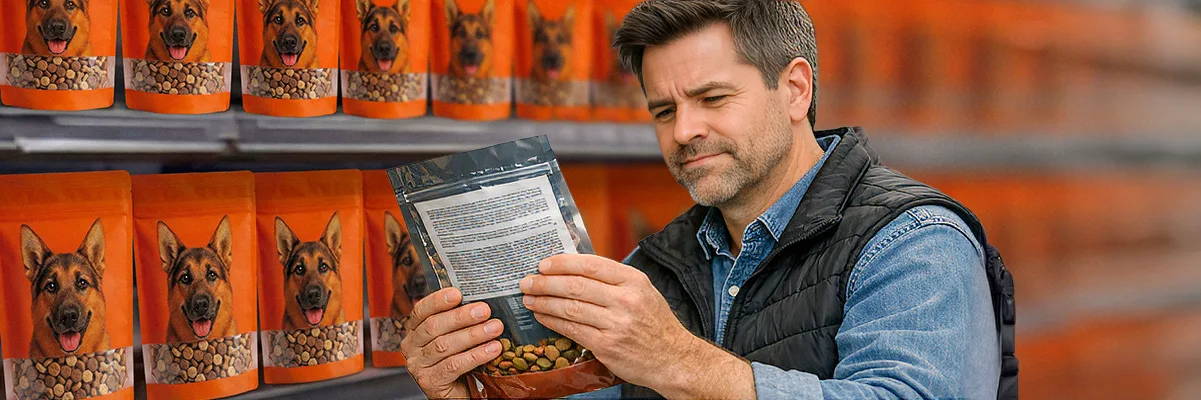
3. Neglecting Consumer Handling Differences
Consumers interact with pouches differently than with tubs or bottles. Common issues:
- Pour rate changes
- Over‑tearing at the notch
- Poor reseal experience
Include consumer testing to validate ergonomics.
4. Not Updating QA and Line SOPs
Flexible packaging requires new checks (seal width, seal contamination, wrinkle management). Teams must be trained well in advance of launch.
5. Forgetting About Sustainability Claims
Some brands unintentionally overstate environmental benefits. Ensure communications align with regulations, significant in Canada under Bill C‑59 and Greenwashing guidance.
Migration Checklist
Use this quick guide to ensure every step is covered.
Strategic Readiness
- Define goals: cost, sustainability, consumer convenience, or shelf appeal
- Confirm retailer planogram requirements
- Review brand guidelines for flexible canvas adaptation
Technical Validation
- Conduct product compatibility tests
- Select film structure based on performance, not cost alone
- Run seal integrity and barrier validation
- Complete machinability audit and line trials
- Perform transit simulation
Supply Chain Alignment
- Evaluate freight and pallet optimization
- Assess warehouse handling of flexible formats
- Update QA procedures and SOPs
Commercial Preparation
- Conduct consumer usability tests
- Validate marketing claims
- Produce final artwork optimized for flexible printing
- Prepare contingency plans during cutover
Where Layfield Fits In
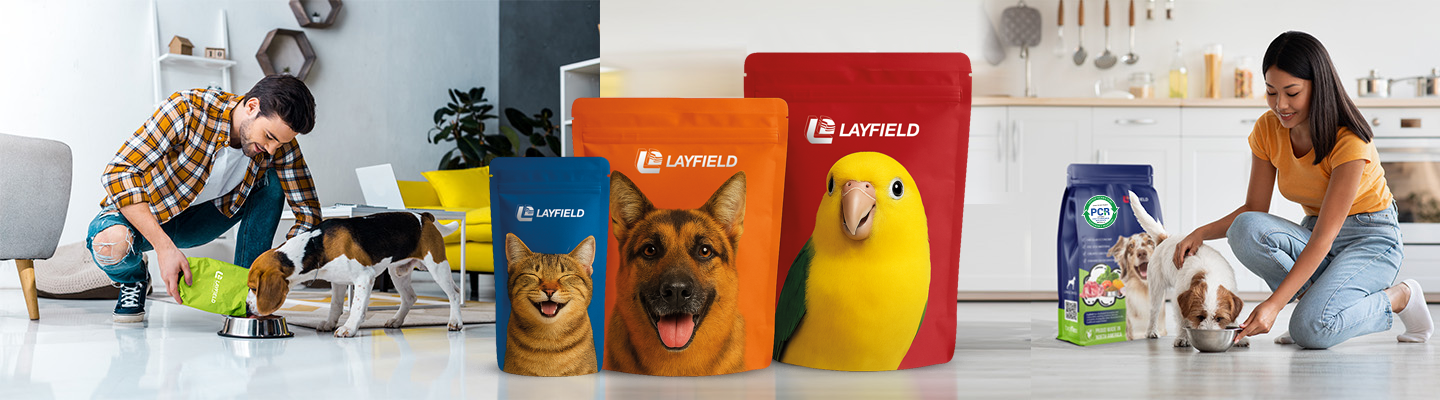
Layfield supports migrations from rigid to flexible with a proven, structured approach that reduces risk and accelerates success.
We guide brands through:
- Film structure optimization
- Machinability audits
- Validation test planning
- Format recommendations (stand‑up pouches, flat pouches, rollstock, lidding films, and more)
- Shelf‑life and barrier performance consultations
Whether you’re launching a new product or converting an entire line, we help ensure your flexible packaging performs as beautifully as it looks.
READY TO EXPLORE FLEXIBLE FORMATS?
Related Articles
View All News