Choosing flexible packaging sounds straightforward: define the requirements, compare options, review pricing and select a structure.
In reality, the least expensive, most sustainable-looking or highest-performing option on paper isn’t necessarily the right package.
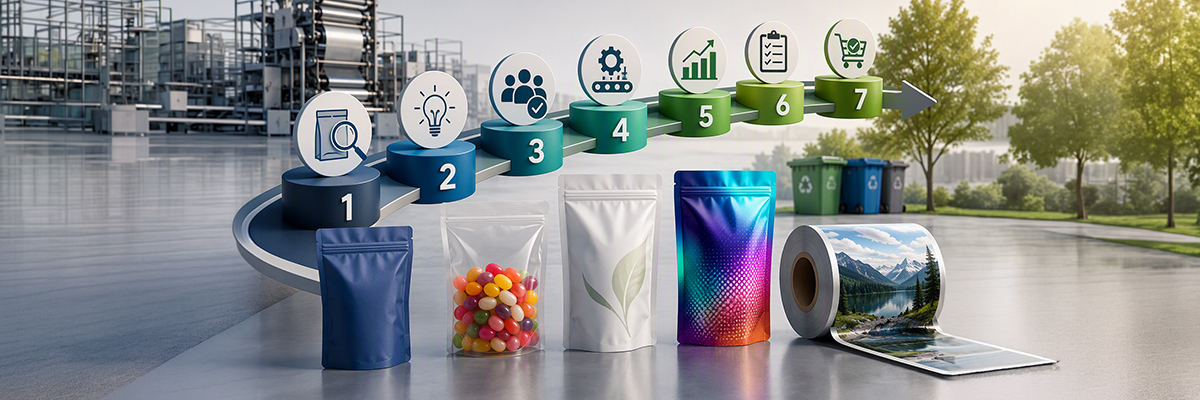
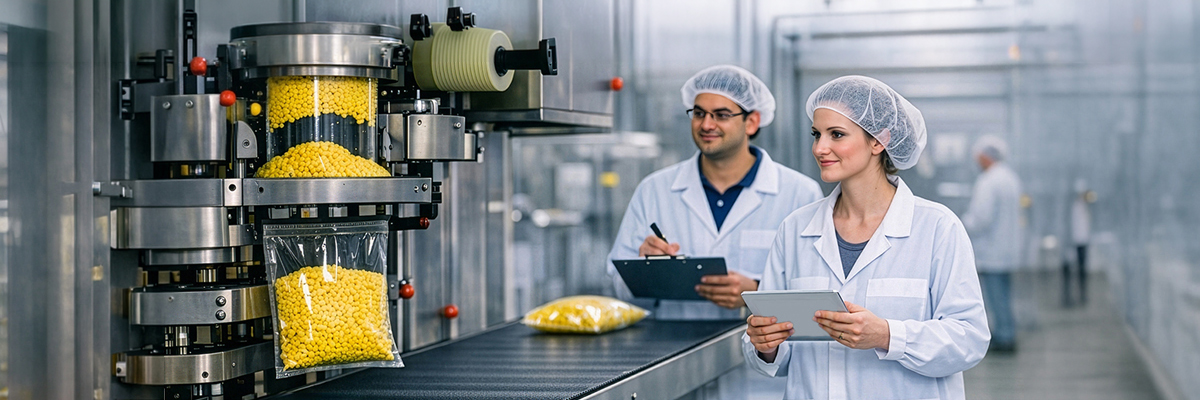
Flexible packaging is a system. Film structure, barrier properties, seal performance, package format, filling equipment, distribution conditions, graphics and end-of-life considerations all interact. Changing one component can affect several others. Layfield’s own packaging guidance emphasizes this systems approach, noting that changes to structures can affect sealing, stiffness, barrier, toughness, printability and other characteristics.
So where do packaging decisions commonly go off track?
1. Buying More Packaging Structure Than You Actually Need
More layers. More barrier. More thickness. More features.
They can all sound like improvements, but more packaging does not automatically mean better packaging.
A high-barrier structure may be essential for one product but unnecessary for another. Likewise, additional thickness or complexity may add cost without providing a meaningful benefit for the application.
The better question is not,“What is the highest-performing structure available?”
It is:
“What does this product actually need to remain protected throughout its lifecycle?”
That means working backward from the application: product sensitivity, expected shelf life, filling process, distribution environment, puncture and abuse resistance, sealing requirements and other real-world conditions.
The goal should be an optimized structure, not simply the most structure.
2. Choosing Sustainability Claims Over Packaging Performance
Sustainability is rightly influencing packaging decisions, but a sustainability objective cannot be considered independently from package performance.
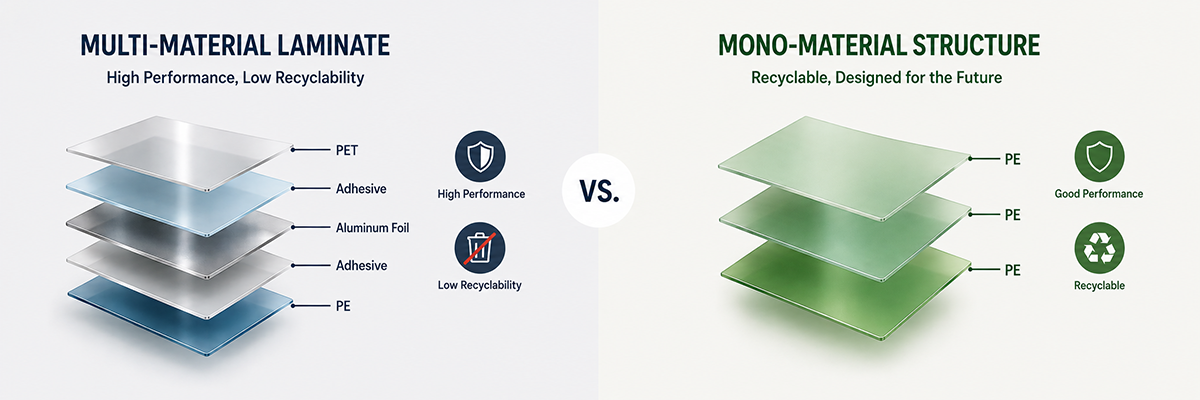
For example, moving toward a mono-material structure can improve alignment with certain recycling streams, but the engineering still has to work. Flexible packages described as mono-material can remain sophisticated multilayer structures, and factors such as barrier, seal windows, stiffness, puncture resistance, optics, inks, adhesives and closures still need to be considered.
The package still has a job to do.
If a change results in inadequate protection, poor machinability or compromised seals, the overall outcome may not meet the needs of the product or operation.
That is why the better question is:
“How can we advance our sustainability goals while maintaining the performance this application requires?”
Sustainability and performance should be evaluated together, not treated as competing checkboxes. Layfield Flexible Films states that its approach is to help customers pursue sustainability goals without compromising quality.
3. Focusing on Unit Price Instead of Total Cost
A fraction of a cent per package matters when you are buying at scale.
But unit price only tells part of the story.
A lower-cost structure can become considerably less attractive if it contributes to production problems, increased waste, damaged product or other operational expenses.
Packaging buyers should therefore evaluate total cost, including factors such as:
- Material utilization
- Filling-line performance
- Packaging waste
- Product protection
- Freight and storage considerations
- Quality consistency
- Operational efficiency
Sometimes paying slightly more for the package itself can make sense if it helps improve performance elsewhere in the operation.
The cheapest package to buy isn’t necessarily the cheapest package to use.
This is also one reason packaging development benefits from looking beyond an isolated material specification. Layfield Flexible Films operates a vertically integrated process that includes engineering, blown-film production, printing, lamination, slitting and conversion, allowing multiple stages of the package to be considered together.
4. Underestimating Seal Performance
A package can have impressive graphics, excellent barrier properties and a carefully optimized structure.
But if it doesn’t seal reliably, none of those advantages matter very much.
Seal performance deserves attention early in the package-development process because actual production environments are rarely perfect. Product characteristics, equipment settings and operating conditions can all influence the final package.
Instead of asking only whether a material can seal, buyers should be thinking about how reliably it performs within the conditions their operation actually encounters.
That makes questions around seal integrity, operating windows and real-world production conditions just as important as questions about appearance, gauge or barrier.
For many applications, the seal is ultimately where packaging theory meets production reality.
5. Selecting Packaging Before Considering the Equipment
This is perhaps the easiest mistake to make because packaging is often discussed as though it were a standalone product.
It isn’t.
The package and packaging line have to work together.
A structure can look ideal on a specification sheet but behave differently once it reaches production. Film stiffness, coefficient of friction, seal characteristics, thickness, package geometry and other variables can influence how efficiently material moves through packaging equipment.
This becomes especially important with formats produced on vertical or horizontal form-fill-seal equipment. Layfield Flexible Films supplies both VFFS and HFFS solutions alongside a broader portfolio of films, rollstock, bags and pouches.
Evaluating machinability early can help identify potential problems before a full commercial rollout.
So, What Is the “Right” Package?
There is no universal best flexible package.
There is only the package that best balances the requirements of your product, equipment, supply chain, brand and business objectives.
That is why a good packaging supplier shouldn’t begin by simply recommending the newest film or lowest-cost structure.
They should begin by asking questions.
What are you packaging? What does it need protection from? How is it filled? What happens to it after it leaves the plant? What sustainability objectives are you trying to achieve? Where are you experiencing problems today?
At Layfield Flexible Films, packaging development is supported by in-house capabilities spanning technical services and product design through extrusion, printing, lamination, slitting and converting. That integrated approach makes it possible to look at packaging as a complete system rather than a collection of individual specifications.
Because sometimes the smartest packaging decision isn’t adding something.
It’s knowing exactly what you need, and what you don’t.
Ready to take a second look at your packaging?
Whether you’re developing a new package, troubleshooting an existing one or looking for opportunities to optimize your current structure, connect with the Layfield Flexible Films team to explore a solution built around your application.
Related Articles
View All News