
A behind-the-scenes look at the decisions, calculations, and trade-offs that shape a flexible packaging quote long before the final number is sent.
When a packaging quote arrives, it can look deceptively simple: a product description, a quantity, a price, a lead time, and a few technical notes. But behind that final number is a detailed estimating process that brings together raw material markets, production planning, print requirements, order volumes, equipment capabilities, and the practical realities of manufacturing flexible films.
For buyers, this can be frustrating. Two bags may look almost identical on a screen or sitting on a sample table, yet the quoted price can be very different. In many cases, the difference is not arbitrary. It is the result of decisions that affect performance, manufacturability, waste, efficiency, and risk.
Understanding what happens before a quote lands in your inbox can make the quoting process smoother, help teams compare options more accurately, and reduce surprises later in the project.
Key takeaway
A flexible packaging quote is not just a price for a bag or roll of film. It is a calculated response to a specific application, structure, volume, print requirement, production setup, and quality expectation.
1. It Starts with the Application — Not Just the Dimensions
The first step in estimating flexible packaging is understanding what the package needs to do. Dimensions matter, but they are only part of the story. A bag or film structure used for frozen food, cheese, medical packaging, industrial products, or pet products may have very different performance expectations even if the finished package looks similar.
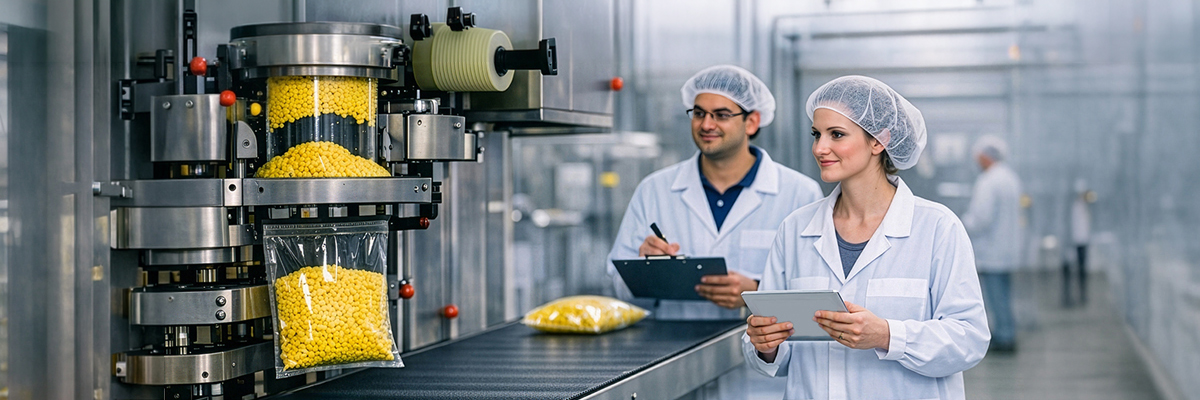
Before pricing can be meaningful, the estimator needs to understand the application. What is being packed? Is the product sharp, heavy, oily, frozen, dusty, or sensitive to oxygen or moisture? Will the package be filled by hand, on a vertical form-fill-seal line, on horizontal equipment, or through another automated process? Will it need to seal through contamination, run at high speeds, withstand distribution, or support shelf-life requirements?
These details influence material selection, gauge, sealant layers, barrier properties, and converting requirements. A small change in performance expectations can change the recommended structure and, as a result, the quoted price.
What buyers can provide up front
The more complete the application details, the more accurate the quote. Product type, fill weight, machine type, target shelf life, storage conditions, artwork requirements, and current packaging issues all help reduce assumptions.
2. Resin Costs Set the Foundation
Resin is one of the biggest building blocks in flexible films pricing. Since flexible packaging is made from plastic resins, changes in resin pricing can have a meaningful impact on the finished cost of a film, bag, or rollstock structure.
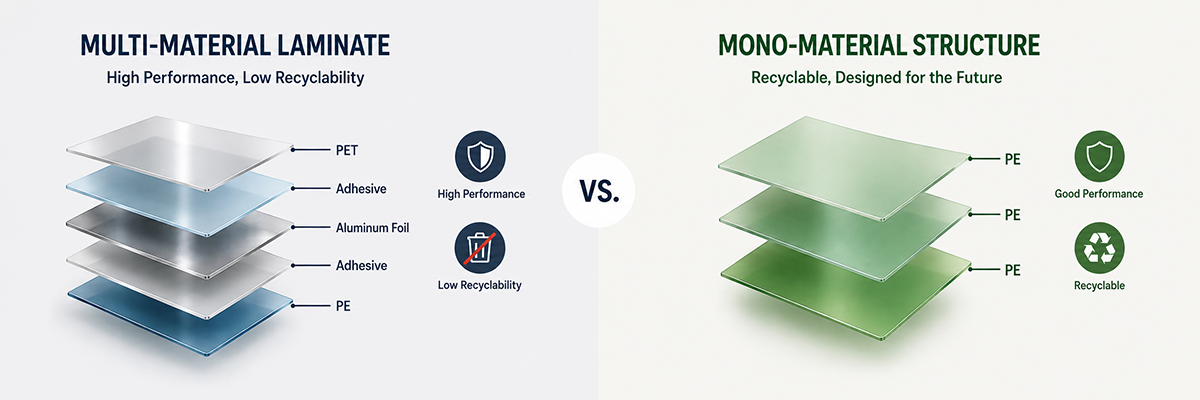
The quoted price may reflect more than one resin type, depending on the structure. A film may include layers chosen for seal strength, stiffness, toughness, clarity, puncture resistance, barrier, or machinability. Each layer serves a purpose, and each resin choice affects both performance and cost.
Resin pricing can also vary depending on market conditions, supply availability, grade selection, and performance requirements. This is one reason packaging quotes can shift over time, even when the product design remains the same. When resin markets move, estimators must account for the current cost environment while still ensuring the structure meets the application requirements.
It is tempting to compare flexible packaging quotes as if they are simple commodity prices. But if two suppliers are quoting different structures, different resin combinations, or different performance assumptions, the prices are not always directly comparable.
3. Print Requirements Can Change the Entire Estimate
Printing is another major factor in the quote. A plain bag or clear rollstock is usually easier to estimate than a printed structure with multiple colours, tight registration requirements, specialty inks, screens, varnishes, or specific brand color expectations.
Print requirements influence more than ink cost. They can affect plate or cylinder costs, setup time, minimum run expectations, waste allowances, quality checks, and production scheduling. The number of colors, print coverage, repeat length, artwork complexity, and whether the print is surface or reverse printed can all influence the final quote.
This is why early artwork information matters. Even a draft dieline or approximate color count can help the estimating team identify the right assumptions. Without that information, a quote may need to include caveats, or it may need to be revised once final artwork is supplied.
From the buyer’s perspective, print can be one of the easiest areas to underestimate. Two bags may be the same size and use a similar film structure, but if one has simple one-color print and the other has high-coverage multi-color artwork, the production realities can be very different.
4. MOQ Is Not Just a Sales Rule
Minimum order quantity, often shortened to MOQ, is sometimes viewed as a rigid sales requirement. In reality, MOQ is usually connected to manufacturing efficiency, setup time, material ordering, print setup, converting requirements, and the practical economics of running equipment.
Flexible packaging production involves setup. Machines need to be prepared, materials need to be staged, print and converting equipment may need to be changed over, and quality checks need to happen before and during production. For very small runs, setup time and waste can become disproportionately large compared to the usable product produced.
This does not mean small orders are impossible, but it does explain why the unit cost can rise quickly when volumes are low. A higher MOQ may allow production to run more efficiently, spread setup costs across more units, reduce per-unit impact, and support better overall economics.
For buyers, the key is to think beyond the lowest possible quantity. The better question is often: what order volume creates the best balance between inventory risk, cash flow, production efficiency, and unit cost?
5. Production Efficiency Can Make or Break the Price
The most efficient packaging to produce is not always the simplest-looking one. Production efficiency depends on how well the structure, size, print, gauge, roll width, repeat length, and converting specifications fit the equipment and process.
A quote may consider how the job will run through extrusion, printing, lamination if applicable, slitting, bagmaking, or other converting steps. It may also consider expected speeds, scrap allowances, changeover time, quality checks, and whether the job fits standard web widths or requires more customized handling.
Small differences can matter. A slightly different bag width could affect film yield. A different gauge could influence run speed. A complex seal profile could require more attention during converting. A print design with heavy coverage could require different setup or drying considerations. None of these details are obvious when looking only at the finished package, but they can significantly influence production efficiency.
This is one reason an experienced packaging supplier may suggest small changes to a specification. The goal is not always to change the package dramatically. Often, a minor adjustment can improve manufacturability while maintaining the performance the customer needs.
6. Why Similar-Looking Bags Can Have Very Different Prices
This is one of the most common sources of confusion in flexible packaging. Two bags may look nearly identical, but the quote behind each one may be based on different assumptions.
| What looks similar | What may be different | Why it affects price |
| Same size bag | Different film gauge or structure | Material usage and performance requirements may change. |
| Same product category | Different barrier, seal, or puncture needs | The application may require a more specialized structure. |
| Same artwork file | Different color count, print coverage, or registration expectations | Printing setup and quality controls may differ. |
| Same order request | Different MOQ or production run length | Setup costs are spread differently across the order. |
| Same finished appearance | Different machine compatibility or converting requirements | Run speed, waste, and changeover time may change. |
A lower price is not automatically a better quote, and a higher price is not automatically a better package. The important question is whether each quote is based on the same assumptions, the same performance requirements, and the same production expectations.
7. The Quote Also Reflects Risk
Packaging is directly tied to product protection, production uptime, brand presentation, and customer experience. Because of that, a quote often reflects not only material and production costs, but also the level of risk involved in making the package perform reliably.
If an application is new, technically demanding, or missing key information, the estimating process may need to account for additional review, testing, samples, trials, or assumptions. A quote may also include notes about what still needs to be confirmed before production.
This is especially important when a package needs to run on specific machinery, hold up under challenging distribution conditions, or meet defined performance expectations. The more uncertainty there is, the more important it becomes to clarify requirements before treating a quote as final.
8. The Best Quotes Are Built Through Collaboration
A strong quote is not created in isolation. It often requires input from sales, estimating, technical teams, production, prepress, purchasing, and sometimes the customer’s operations or engineering team. Each group sees a different part of the packaging challenge.
Sales may understand the commercial goal. Technical teams may identify structure requirements. Production may flag manufacturability considerations. Prepress may identify artwork or print questions. Purchasing may consider resin availability and current cost inputs. When these perspectives come together, the quote becomes more than a number. It becomes a practical plan for producing packaging that can work in the real world.
For customers, this means the quoting process may involve questions. Those questions are not delays for the sake of delays. They are usually an effort to prevent avoidable revisions, unexpected costs, production issues, or performance concerns later.
How Buyers Can Help Speed Up the Quoting Process
If you want a faster, more accurate quote, the best place to start is with clear information. Even if every detail is not finalized, providing the right context helps the supplier make better assumptions and identify questions earlier.
- Current package specifications or a physical sample, if available
- Finished size, format, and target gauge or structure
- Product type, fill weight, and storage conditions
- Filling equipment or packaging line information
- Annual usage, order quantity, and desired delivery timing
- Artwork status, color count, print coverage, and any brand color requirements
- Performance goals such as seal strength, puncture resistance, stiffness, clarity, or barrier needs
- Any current packaging challenges, complaints, or production issues to solve
Practical tip
If you are comparing quotes from multiple suppliers, ask whether each quote is based on the same structure, gauge, print assumptions, MOQ, and performance requirements. This helps avoid comparing two very different solutions as if they are the same.
Final Thoughts: A Quote Is a Conversation Starter
A packaging quote may arrive as a single document, but it represents many decisions. Resin selection, print requirements, order quantity, production efficiency, application needs, and risk all shape the final number.
When buyers understand the work behind the quote, the conversation changes. Instead of focusing only on price, teams can ask better questions: What assumptions are included? What could be adjusted to improve efficiency? Where are the cost drivers? What details need to be confirmed before production?
That is where better packaging decisions happen. Not just in the number at the bottom of the quote, but in the shared understanding of what the package needs to do, how it will be made, and how it can perform reliably from production line to end use.
Related Articles
View All News