
For brand owners, packaging is more than just a protective shell—it’s essential to your product’s identity, functionality, and customer experience. With rising material costs and increasing pressure to cut expenses, opting for lower-cost packaging solutions is tempting. However, what seems like a cost-saving decision upfront can often lead to hidden expenses that outweigh the initial savings.
The Risks of Cheap Packaging
- Compromised Product Integrity
The primary function of packaging is to protect your product from damage, contamination, and spoilage. Low-quality materials can lead to compromised seals, punctures, or poor barrier performance, increasing the likelihood of product loss. If customers receive damaged or spoiled goods, this leads to costly replacements and erodes trust in your brand.
- Brand Perception & Customer Experience
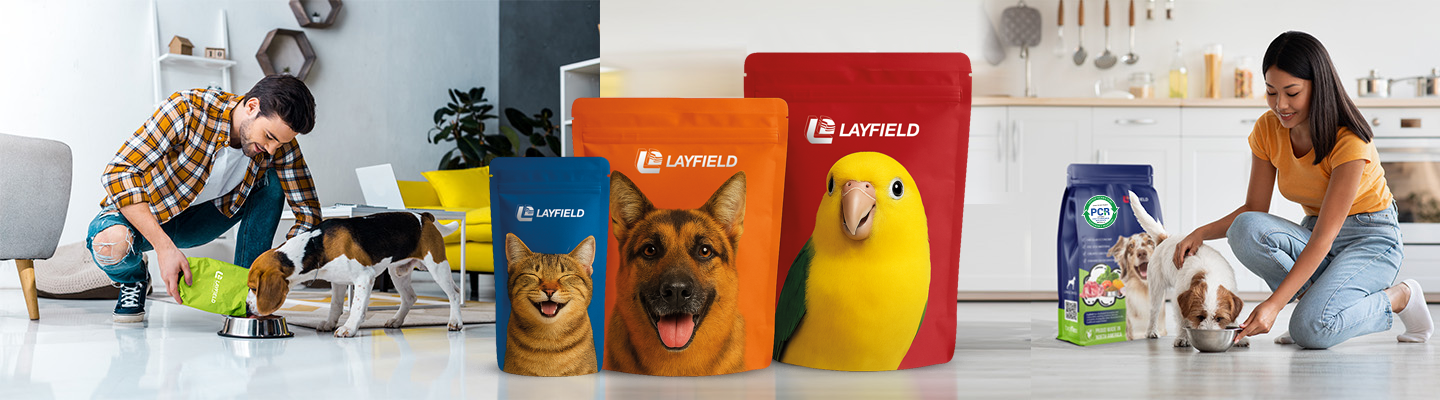
Your packaging is the first physical touchpoint customers have with your brand. Cheap materials, flimsy structures, or poor printing quality can create a negative first impression. In an era where unboxing experiences and social media play a crucial role in marketing, skimping on packaging could mean missed opportunities for customer engagement and brand loyalty.
- Regulatory & Compliance Risks
Packaging regulations are becoming stricter, especially regarding food safety, sustainability, and recyclability. Opting for low-cost materials may mean using packaging that doesn’t meet industry standards, leading to recalls, fines, or legal issues. Ensuring compliance from the start can prevent costly headaches down the road.
- Operational Inefficiencies
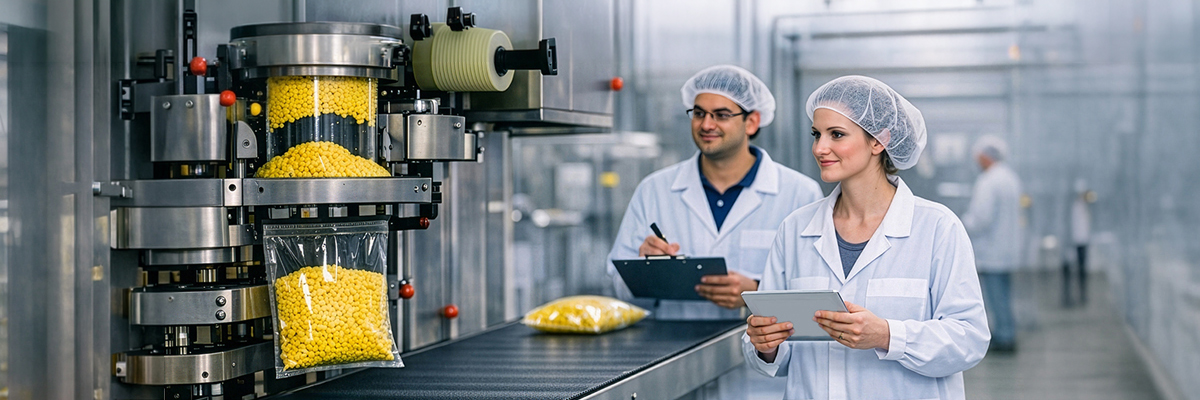
Cheap packaging can lead to inefficiencies in production and logistics. Poorly designed materials may cause issues on filling lines, leading to downtime, increased waste, and inefficiencies in transportation. This impacts production costs and affects your ability to deliver products to market on time.
- Environmental and Sustainability Impact
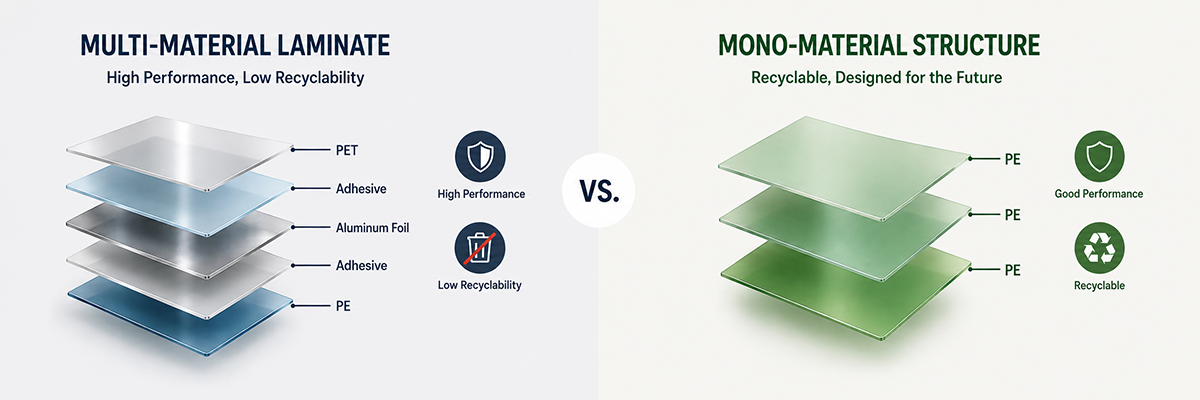
Sustainability is no longer just a trend—it’s an expectation. Consumers and retailers are increasingly demanding eco-friendly packaging solutions. Cheap, non-recyclable, or non-sustainable materials can alienate environmentally conscious customers and hurt your brand’s reputation. Investing in sustainable, high-quality packaging can enhance your brand’s appeal while reducing long-term environmental impact.
Investing in Quality Packaging Pays Off
Choosing the right packaging partner isn’t just about cost—it’s about value. A trusted packaging manufacturer provides solutions that balance cost-efficiency, performance, and sustainability, ensuring your products remain protected, compliant, and appealing to customers. Today’s right packaging investment can lead to long-term savings, reduced risks, and a more substantial brand reputation.
At Layfield Flexible Films, we understand the importance of high-quality packaging that meets both functional and sustainability needs. Contact us to learn more about how we can help you find the right packaging solutions for your brand’s success.
Related Articles
View All News